

Why White Walls Can Be Challenging for People with Autism and Sensory Sensitivities
White has long been associated with cleanliness, simplicity, and brightness. In interior design, white walls are often used to make spaces feel larger and to reflect as much light as possible. However, for some people with autism and other sensory processing differences, an abundance of bright white surfaces can create an environment that feels uncomfortable rather than calming.
The reason lies partly in how white interacts with light. White surfaces reflect a high proportion of the light that falls on them, increasing the overall brightness of a room. While this can make a space appear fresh and airy, it can also contribute to visual overstimulation for individuals who are particularly sensitive to light and contrast.
Many autistic people experience heightened sensory perception, which can make bright, highly reflective environments feel overwhelming. Large expanses of stark white walls, ceilings, and furnishings can produce glare, create harsh visual contrasts, and lead to feelings of discomfort, fatigue, or difficulty concentrating. The effect may be especially noticeable in rooms with significant natural daylight or bright artificial lighting.
This does not mean white should never be used in a sensory-friendly home. Instead, interior designers often consider softer alternatives such as warm whites, muted neutrals, gentle greys, or nature-inspired tones. These colours can still provide a sense of lightness and openness while reducing the intensity that pure white may create.
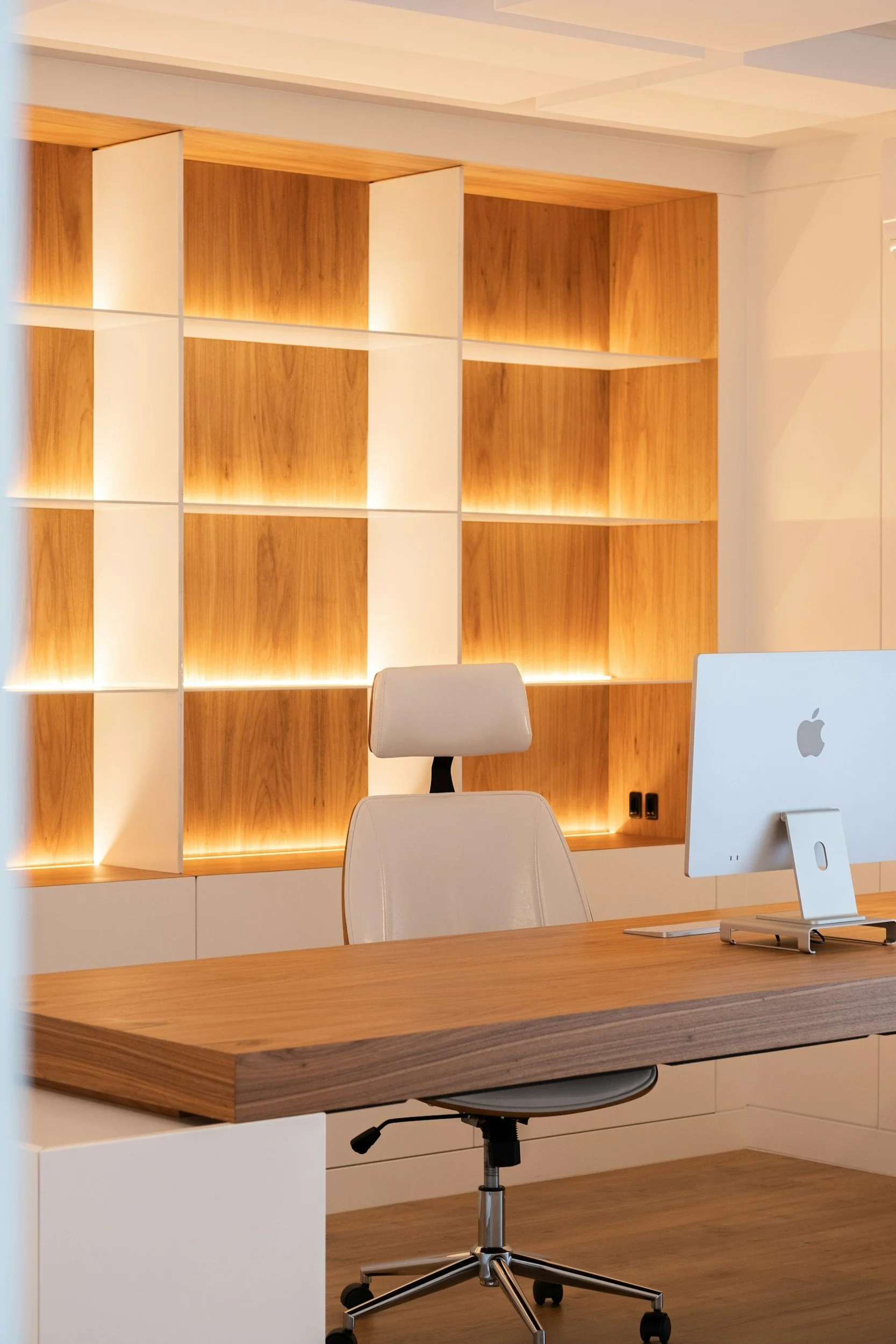
Texture and lighting also play an important role. Layered lighting, matte finishes, natural materials, and softer colour palettes can help create a more balanced environment that supports comfort and wellbeing. The goal is not simply to make a room look beautiful, but to ensure it feels comfortable for the people living in it.
What is spatial planning?
Have you ever walked into a room and felt like something was just... off?
Maybe it was the way the furniture was arranged, or perhaps the room felt cramped even though it was spacious. That's where spatial planning comes in—a bit like the secret sauce in the recipe of interior design. It’s all about making the most of the space you have, creating a room that not only looks good but works well for you
Think of spatial planning as a jigsaw puzzle, where every piece must seamlessly fit together to create a cohesive picture. In the world of interior design, these pieces encompass furniture, lighting, and décor, all working together to achieve a balance of harmony and functionality. It's crucial to envision how a space will be used and ensure that the design aligns with that purpose. After all, placing a large armchair in a cramped corner wouldn't be practical, would it? Effective spatial planning helps you avoid such design missteps.
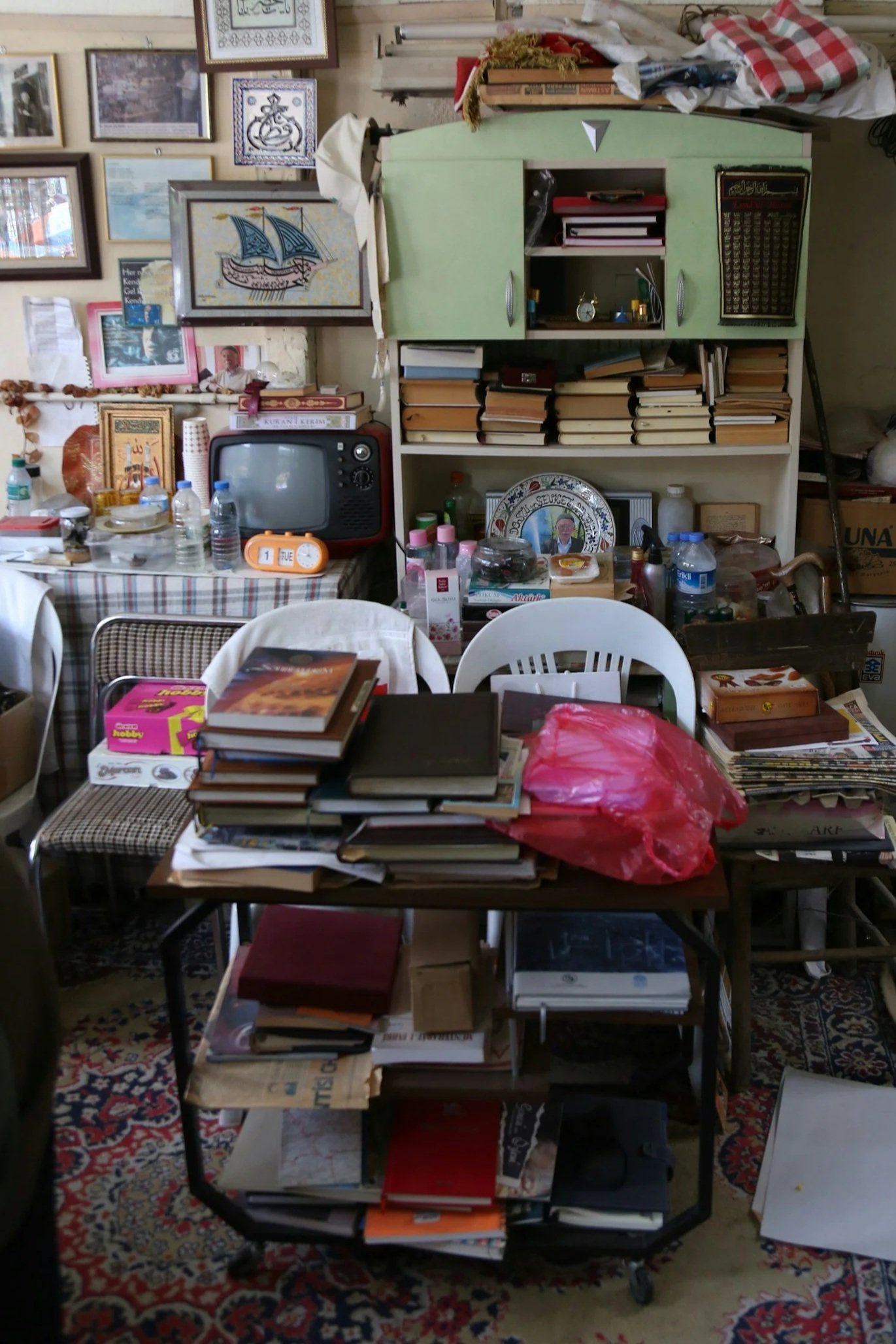
Do you have a heavy feeling when you see some of your rooms?
Going through all your possessions and having a think about what suits your lifestyle and needs at this moment in time can help you declutter. This will give you space for fresh ideas.
A Transformative Bathroom Renovation
Let’s delve into a story about a bathroom renovation that beautifully illustrates the power of spatial planning. Picture a small, outdated bathroom where each morning feels like navigating an obstacle course. The sink crammed into a corner, the shower door barely opens without bumping into the toilet, and storage options are non-existent. Does this sound familiar?
Now, let’s reimagine this space. I can envision a sleek, modern sanctuary where every element has a designated place. The sink is moved to the opposite wall, creating a more open atmosphere. The cumbersome shower door is replaced with a stylish sliding door, instantly freeing up space and eliminating those frustrating morning collisions. To address storage needs, I introduce clever floating shelves that enhance the aesthetic without sacrificing room.
As a designer, we achieved more than mere rearrangement; it was spatial planning at its best. Consideration was given to how the space would be utilised, who would use it, and what adjustments could streamline daily routines. Have you ever thought about how a simple layout change could transform your own environment?
The Essence of Spatial Planning
Spatial planning represents the art of identifying potential and tackling challenges. It involves posing the right questions: How do you navigate the room? What items should be easily accessible? Where does the light fall? It’s a harmonious blend of creativity and practicality, ensuring that each space not only meets your needs but also exceeds your expectations.
If you're embarking on a design project of your own, keep in mind: it's not just about aesthetics—it’s about crafting a space that feels good as well. A thoughtfully designed environment can impact more than just your surroundings; it can enhance your entire day.
How do I design for neurodivergence?
My expertise lies in neurodivergent-centred design, focusing on how the built environment impacts comfort, well-being, and daily functioning. I approach each project by prioritising the individual needs of the residents rather than aesthetics alone.
I understand that neurodivergence affects home experiences uniquely, requiring tailored design solutions for different sensory preferences and lifestyles. I collaborate closely with clients to consider factors like sensory processing, attention, and the need for rest, assessing how elements such as lighting and layout influence their daily lives.
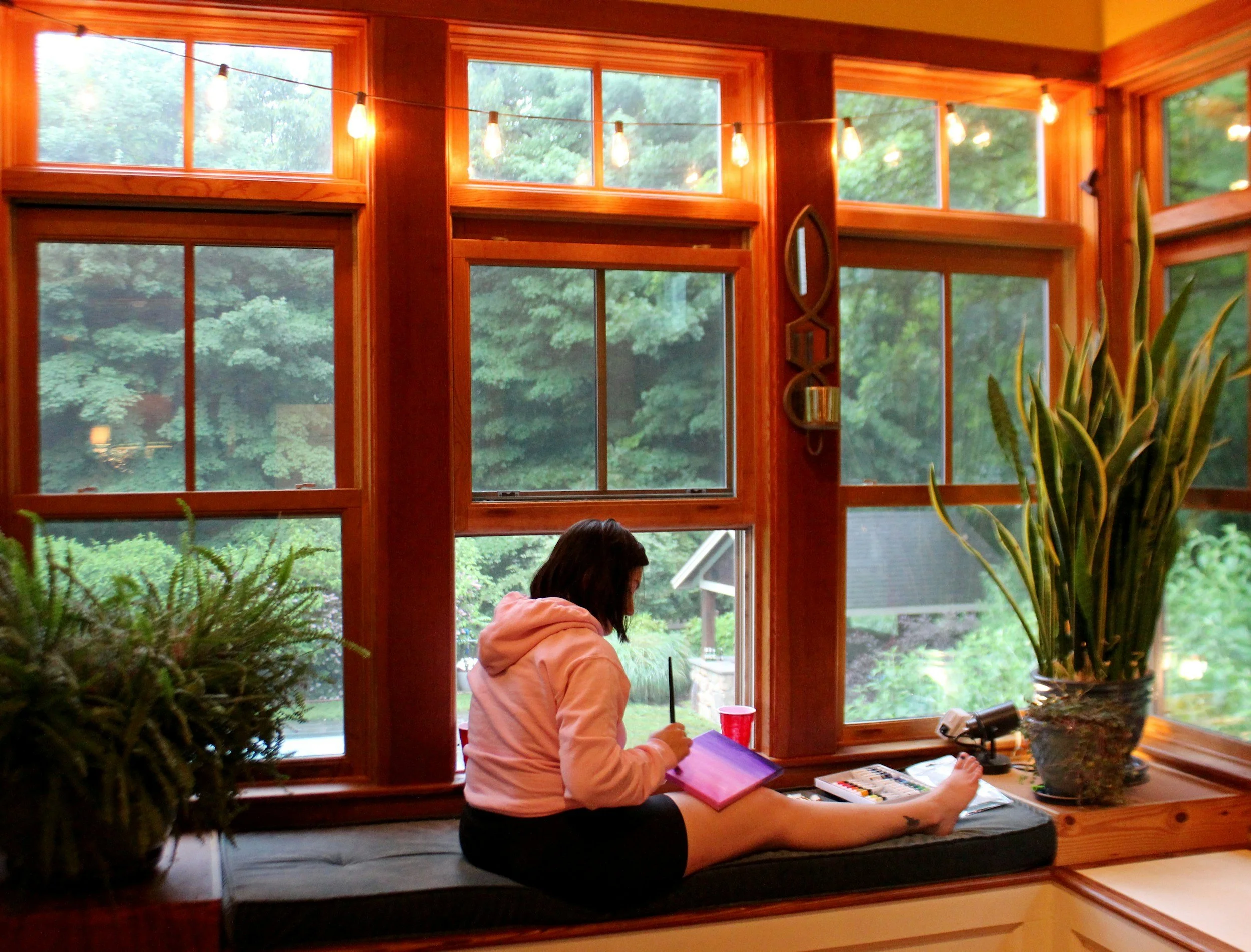
Finding the right spot in your home can be difficult. So why not create your favourite spot.
Ask yourself some questions about what you need and want, what annoys you, and how you relax or focus, these are the foundations of creating a space that works well for you.
For instance, lighting can be adapted by using adjustable fixtures that allow residents to control the intensity and colour temperature to suit their sensory needs. This flexibility can help create a calming atmosphere for relaxation or a brighter setting to enhance focus and productivity. By integrating smart lighting systems, residents can easily adjust their environment throughout the day, fostering a space that supports their well-being and daily routines.
My design process starts with listening, recognising that many neurodivergent individuals have adapted to unsuitable environments. I acknowledge the spectrum of neurodiversity, creating spaces that offer both regulation and stimulation as needed.
My recommendations are based on evidence from environmental psychology and human-centred design, but I prioritise clients' lived experiences. When clients work with me, they gain a designer committed to creating homes that enhance their well-being and reflect their unique identities. Ultimately, successful neurodivergent design is about creating functional, supportive spaces tailored to the individual.
How do I learn about a client's sensory preferences and sensitivities?
Understanding sensory preferences is one of the most important parts of my design process because no two neurodivergent people experience their environment in exactly the same way.
Rather than making assumptions, I begin with a series of conversations designed to understand how you experience your home and how different environments affect your wellbeing, comfort, focus, energy levels, and ability to relax. I want to understand what helps you thrive, as well as what creates stress, fatigue, distraction, or sensory overload.
We typically explore factors such as lighting, noise, colour, temperature, textures, smells, visual complexity, and spatial layout. For example, some people find bright, open spaces energising, while others may find them overwhelming and prefer softer lighting, reduced visual stimulation, and clearly defined areas for different activities.
I also look at how you use your home throughout the day. Sensory needs are often connected to daily routines and activities, so understanding where you work, rest, socialise, regulate, and recharge helps me create solutions that support your individual needs rather than applying a one-size-fits-all approach.
Where helpful, I use visual references, mood boards, material samples, and examples of different environments to help identify preferences that may be difficult to describe in words alone. Many people know how a space makes them feel, even if they don't immediately know why.
Throughout the project, I view you as the expert on your lived experience. My role is to listen carefully, translate those insights into practical design decisions, and create an environment that supports your comfort, independence, and quality of life.
Ultimately, the goal is not simply to design a beautiful home. It's to create a space that respects how your brain and senses work, helping you feel more at ease, more in control, and better supported in your everyday life.
What employers can do:

The work place is filled with great opportunites and concerns for an ASD person.
They have a unique way of processing the world and stepping into a new environment can be met with challenges that neurotypical people would never even consider.
Part of being human is to have the sense of belonging and you can help a individual with ASD to belong by making a few adjustments. There are numerous ways to support individuals on the autism spectrum in the workplace, they will need to request this assistance.
Key support strategies include:
Job Coaching: Providing guidance on workplace dynamics, clarifying job tasks, and developing effective work habits through a personalised support person.
Sensory Considerations: Making adjustments that cater to the individual's sensory needs.
Skills Assessment: Evaluating strengths, weaknesses, and areas for improvement.
Structured Environment: Establishing clear routines and effective communication.
Peer Sensitivity Training: Conducting training sessions for colleagues to enhance awareness and understanding.
Mentorship Programs: Connecting individuals with a trusted mentor to address questions and concerns.
Understanding Job Coaching
Let’s explore the concept of job coaching and its significance. Picture this: you’ve employed an individual on the autism spectrum, and it’s their first official day at work. This day can go smoothly if certain preparations are made in advance.
Your new ASD employee should be informed about:
What to expect on their first day
Arrival & departure time
Location to report
Who to approach upon arrival
The go to person for asking questions
Lunch break timing and staff room locations
Expectations going forward
Providing this information will help ease their nerves, eliminate uncertainties, and manage expectations.

Support system
A designated person should be prepared to patiently offer information and guidance about the job. A written task sheet or information sheet will be very helpful in this regard.
It's important to give your new employee some room to absorb all the new information and adapt to their environment. After covering the essentials, allow them time to settle in on their own. You might say, “I'm going to leave you now to get comfortable and review the task/information sheet. I'll check back in 30 minutes to answer any questions or concerns you may have. Do you need anything before I go?”
Another effective approach is to implement a buddy system, where your new employee can shadow a colleague for a few days. This allows them to observe how things are done, ask questions, and take notes before working independently.

Support your team mates and help each person to grow.
When you begin with a positive approach, you'll be surprised by how much an autistic person can truly excel. If someone with ASD has a passion or a goal, they often demonstrate remarkable perseverance and determination to achieve it. Many possess an exceptional work ethic, dedication, and resilience in particular subjects or activities that ignite their interest. Many of these strengths surpass what neurotypical individuals typically experience.

Why are you so grumpy?
Sensory processing disorder (SPD) frequently coexists with autism, as individuals on the spectrum process sensory information differently compared to neurotypical (NT) individuals. The senses involved include vision, hearing, touch, taste, and smell. Autistic individuals may exhibit various signs such as frustration, overwhelm, low mood, distraction, headaches, irritability, hyperactivity, sickness, fear, anxiety, and pain due to how they process sensory information. This can create challenges in daily tasks and influence their life choices.
Understanding Sensory Processing Disorder (SPD) in Autism
Sensory processing disorder (SPD) frequently coexists with autism, as individuals on the spectrum process sensory information differently compared to neurotypical (NT) individuals. The senses involved include vision, hearing, touch, taste, and smell. Autistic individuals may exhibit various signs such as frustration, overwhelm, low mood, distraction, headaches, irritability, hyperactivity, sickness, fear, anxiety, and pain due to how they process sensory information. This can create challenges in daily tasks and influence their life choices.
Sensory Sensitivities
Individuals with SPD may experience either heightened or reduced sensitivity, sensory overload, and difficulty discerning which senses are providing input.
Hyper-sensitivity occurs when someone is extremely sensitive to sensory stimuli. For instance:
They may avoid certain clothing because of the texture or sounds it produces.
Sensitivity to noises, such as electrical humming or crowded environments, might lead them to wear ear defenders to mitigate sound.
Specific food textures may provoke gagging or difficulty swallowing.
Strong smells can cause nasal and mouth irritation, leading to headaches or migraines.
Bright lights or sunshine may trigger irritation and visual impairments.
These experiences can result in discomfort, anxiety, and sensory overload.
What Is Sensory Overload?
Sensory overload happens when all of an individual's senses are activated in their environment, overwhelming their sensory system. Their brain struggles to filter and process this sensory input, making it challenging to focus on specific stimuli or understand their significance. This can result in stress, meltdowns, or shutdowns.
Coping Mechanisms
Coping strategies are common among autistic individuals with SPD. They may intentionally engage in certain sensory behaviours, such as repetitive movements, stimming, or seeking intense sensory input, to help regulate their sensory systems and alleviate sensitivities.
Adaptive strategies can also assist in managing sensory input and creating a calmer state. Examples include:
Fidget toys
Ear defenders
Chew toys
Weighted blankets and pads
Coloured lighting
These tools can help individuals find balance and comfort in their sensory experiences.

Is it too bright in here?
Hey there, friends! Have you ever walked into a room and felt like the lights were practically shouting at you? It’s like they’re saying, “Hey, look at me!” all while giving you a headache. If you’re someone who’s sensitive to light, you’ll know exactly what I’m talking about. But guess what? Interior design isn’t just about making a space look beautiful; it’s also about making it feel just right for you. So, let’s dive into how you can turn your home into a sanctuary that’s easy on the eyes and soothing for the soul.

Let’s talk about lighting
Hey there, friends! Have you ever walked into a room and felt like the lights were practically shouting at you? It’s like they’re saying, “Hey, look at me!” all while giving you a headache. If you’re someone who’s sensitive to light, you’ll know exactly what I’m talking about. But guess what? Interior design isn’t just about making a space look beautiful; it’s also about making it feel just right for you. So, let’s dive into how you can turn your home into a sanctuary that’s easy on the eyes and soothing for the soul.
First off, let’s chat about natural light. While it might seem counterintuitive, embracing natural light can actually be a game-changer. Think about those soft, sunny mornings when the light gently trickles through the curtains—doesn’t it feel like a warm hug? By using sheer curtains or adjustable blinds, you can control the amount of sunlight pouring in, allowing you to bask in its glow without feeling like you’re under a spotlight. Plus, natural light is known to boost your mood and energy levels. Who wouldn’t want that?
Now, what about artificial lighting. Ever notice how some light bulbs make everything look like a scene from a sci-fi film? Harsh, cold, some even flicker and just plain uncomfortable. But don’t worry, there’s a simple fix! Opt for bulbs with a warm or soft white glow. They mimic the cosy ambiance of candlelight and instantly make a room feel inviting. Picture this: a quiet evening, a good book, and the soft glow of a warm lamp. Perfect, right?
The power of colour
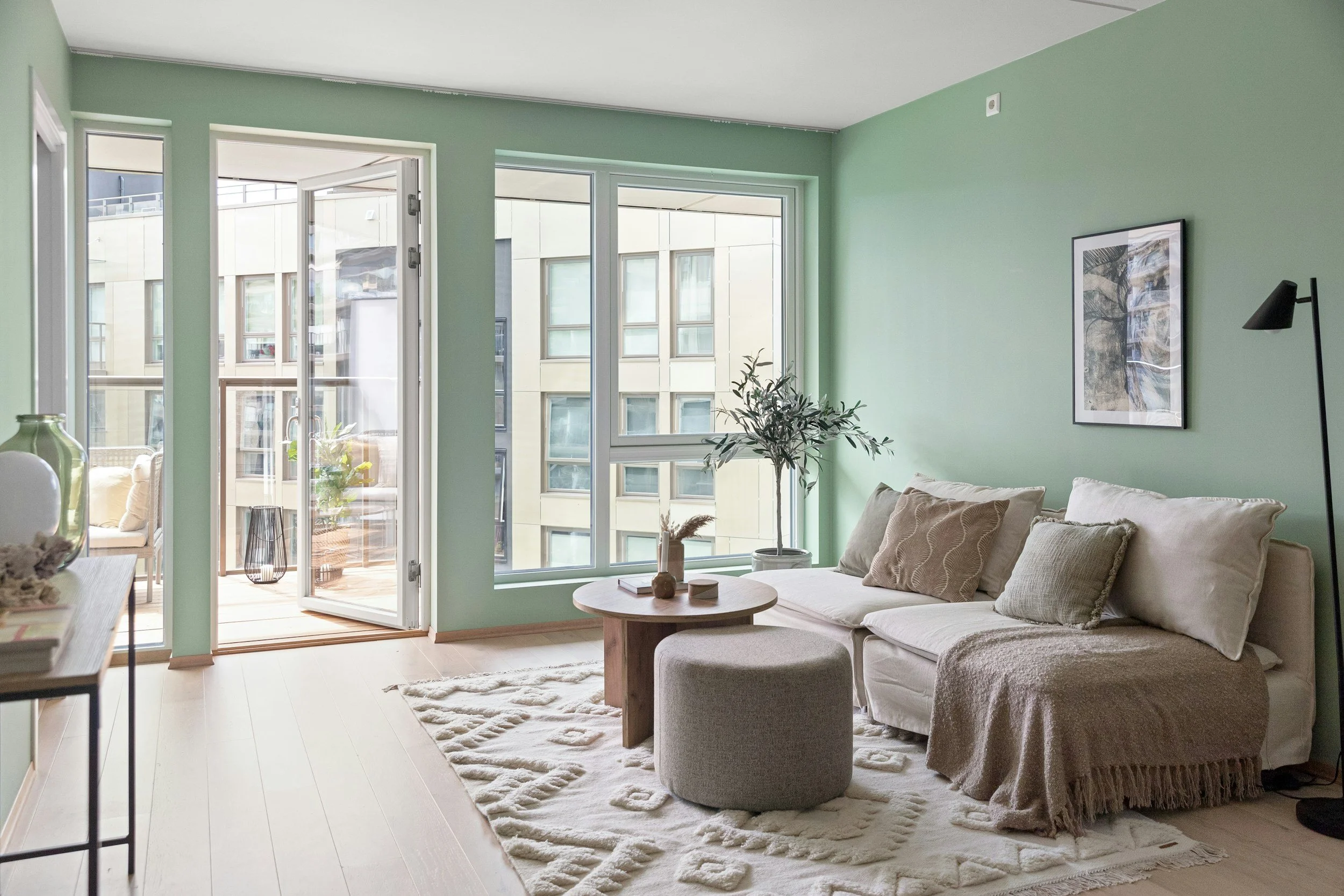
The walls of your home are like a blank canvas, and the colours you choose can have a huge impact on how you perceive light. Think about calming shades like soft blues, gentle greens, or even muted pastels. These colours naturally reflect less light, creating a soothing atmosphere. Imagine walking into a room painted in a serene seafoam green—doesn’t it already feel like the stress is melting away?
And let’s not overlook the magic of textures. Using materials like matte finishes, soft textiles, and natural fibre’s can help diffuse light, reducing glare and creating a more harmonious environment. Have you ever run your fingers over a plush, velvety sofa? It’s like wrapping yourself in a cloud, and it’s much easier on the eyes than shiny, reflective surfaces.
Finally, consider incorporating layers of lighting. Rather than relying on a single overhead fixture, think about using a combination of floor lamps, table lamps, and wall sconces. This way, you can adjust the lighting to suit your mood and activity, whether you're reading, working, or simply unwinding after a long day. It's about creating balance and giving yourself control over your space.

So there you have it
With a few thoughtful changes, you can transform your home into a haven that not only looks beautiful but also feels just right for you and your eyes. After all, isn’t that what home should be—a place where you can truly relax and be yourself? What changes will you make to create your perfect sanctuary?

Spooky Chic: Elevate Your Home’s Interior Design for Halloween
With a little forethought you can make halloween atmospheric and suit your style.

Why do Brits celebrate Halloween?
Halloween, celebrated on October 31st, has grown into a significant cultural event in England. Its origins are rooted in the ancient Celtic festival of Samhain, which marked the end of harvest and the beginning of winter. The Celts believed that on this night, the boundary between the living and the dead blurred. Over time, as Christianity spread, Samhain merged with All Hallows' Eve, adding religious significance.
In the 20th century, American customs like trick-or-treating and pumpkin carving influenced the celebration in England. Today, Halloween in England involves dressing up in costumes, attending parties, and community events. It is a time for creativity and fun, fostering a sense of community through shared activities and traditions. While its roots are ancient, Halloween has become a beloved occasion that blends historical and modern influences.
As the leaves begin to change and the air turns crisp, Halloween is just around the corner—a perfect time to bring a touch of mystery and magic into your home. Integrating Halloween themes into your interior design doesn’t have to be all about cobwebs and cauldrons. With a few thoughtful touches, you can create a space that’s both spooky and stylish.
1. Embrace Autumnal Colors
Begin with a color palette that reflects the essence of Autumn. Rich oranges, deep purples, and dark greens can serve as the foundation for your Halloween décor. These colors not only evoke the spirit of the season but also add warmth and cosiness to your space. Consider incorporating these hues through throw pillows, blankets, or even a bold accent wall.
2. Set the Mood with Lighting
Lighting plays a crucial role in crafting a Halloween ambiance. Swap out standard light bulbs for softer, dimmer options to create a mysterious atmosphere. Lanterns and string lights can add an enchanting glow, while LED candles offer a safe alternative to traditional candles, casting flickering shadows that enhance the spooky vibe.
3. Incorporate Natural Elements
Bring the outdoors in with natural elements like dried branches, autumn leaves, and pumpkins. A centerpiece of mini pumpkins and gourds can add a touch of whimsy to your dining table. For a more sophisticated look, consider white or metallic-painted pumpkins, which blend seamlessly with modern décor while still celebrating the season.
4. Spooky Yet Sophisticated Decor
Choose décor that adds elegance to your Halloween theme. Think about incorporating vintage-style mirrors with ornate frames, which not only serve as conversation pieces but also add depth and drama to any room. Elegant skeleton figurines, velvet fabrics, and crystal accents can create a luxurious yet eerie vibe.
5. Personal Touches
Finally, add personal touches that reflect your unique style and the spirit of Halloween. Display family photos with fun, spooky filters or frames, and hang artwork that nods to the season. Whether it’s a DIY project or a cherished heirloom, these elements can make your Halloween décor feel personalised and meaningful.
By blending traditional Halloween motifs with stylish design elements, you can create a home that is both festive and inviting. Remember, the key to successful Halloween interior design is balance—keeping it fun and spooky without sacrificing style. So, get creative, have fun, and let the Halloween spirit transform your home into a chic and mysterious retreat.

Athens
Inspiration can be taken from objects, lifestyles or history amongst other things.


Athens is a place full of historical importance. There is a lot to see in and around the town's old buildings. It's amazing to think that these buildings have been standing for hundreds of years, showing the skills of the builders of their time.
Did you know, the first modern Olympic Games were held in Athens in 1896, reviving the ancient tradition.



A sample of the items inside the National Archeological Museum.


Lulworth Castle Visit
Every day is a school day.
Learning about places is to be inspired.

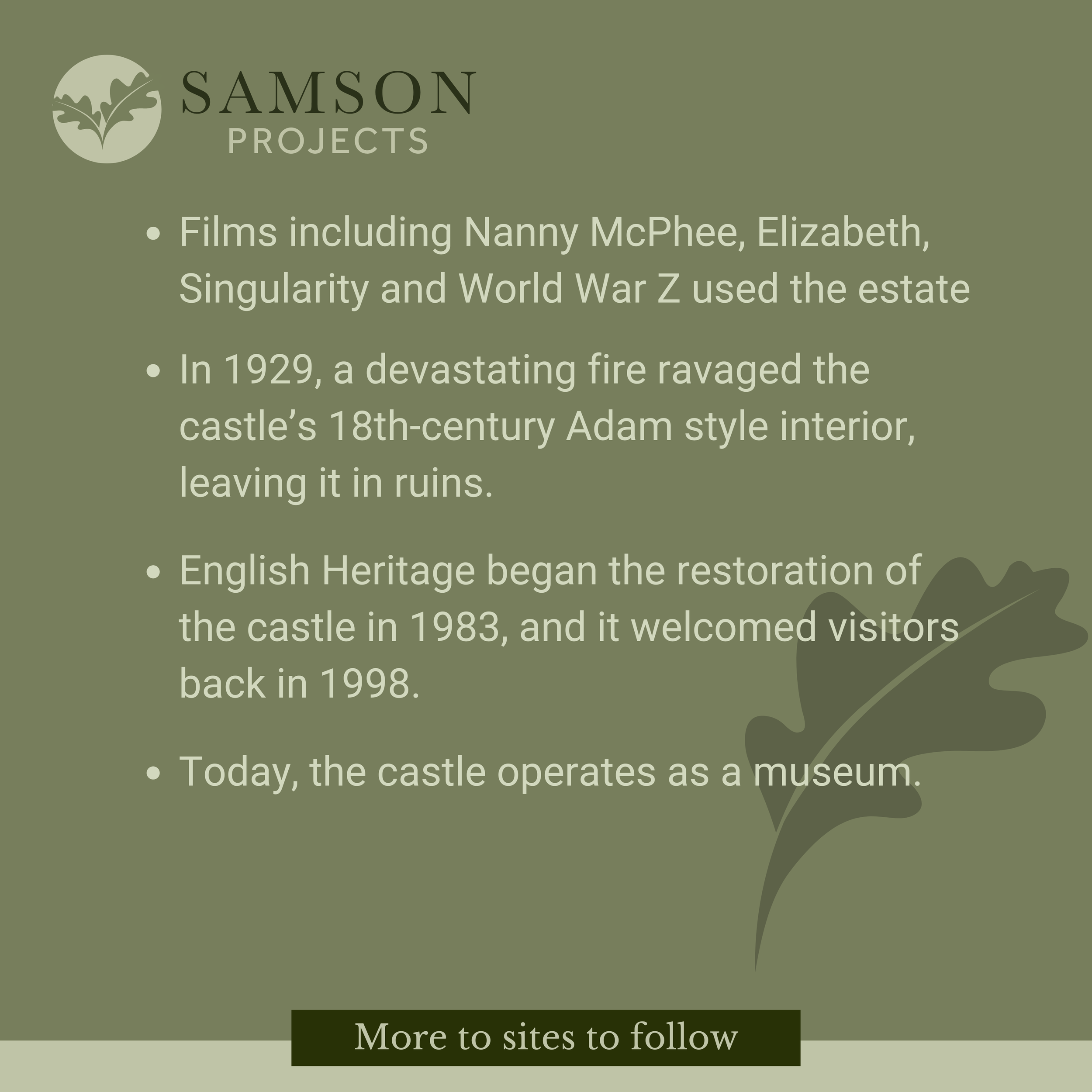
My family and I have a yearly membership with English Heritage and The National Trust. Visiting these places and seeing how life would have been all those years ago is good talking point.
I love seeing all the art, and workmanship of the times. This particular building was destroyed in a fire so you can really see the bones of it all.

This is the view from the top of the castle, here you can see the church


Changing rooms
Making a new room from stuff already in the house.
Our home is a working progress and has been this way since we moved in.
Over time the needs of the rooms and house have changed with the four children growing up.
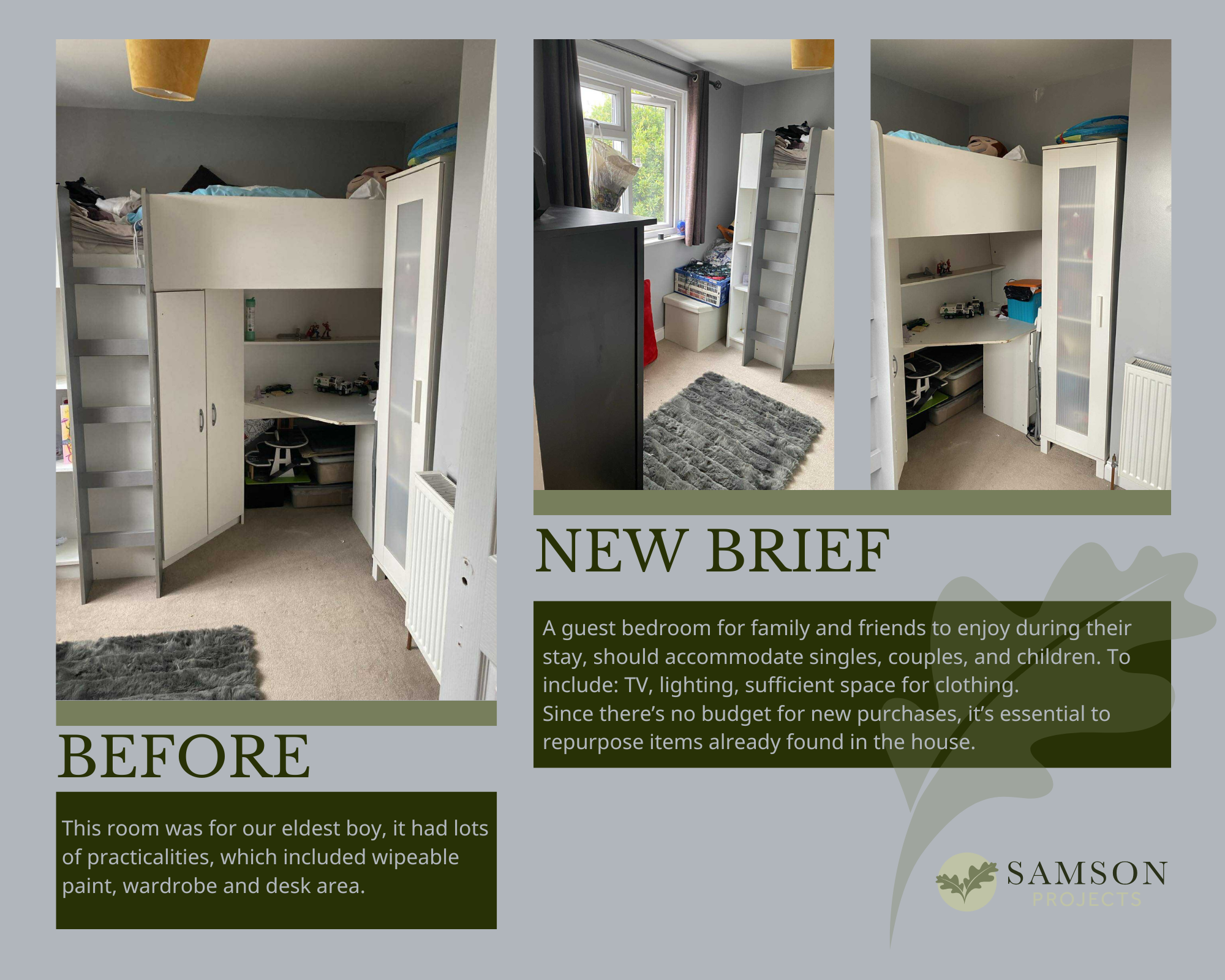
The time has come to rearrange the smallest room in the house. Using only items we had around, the room has been transformed and only in 5 hours.
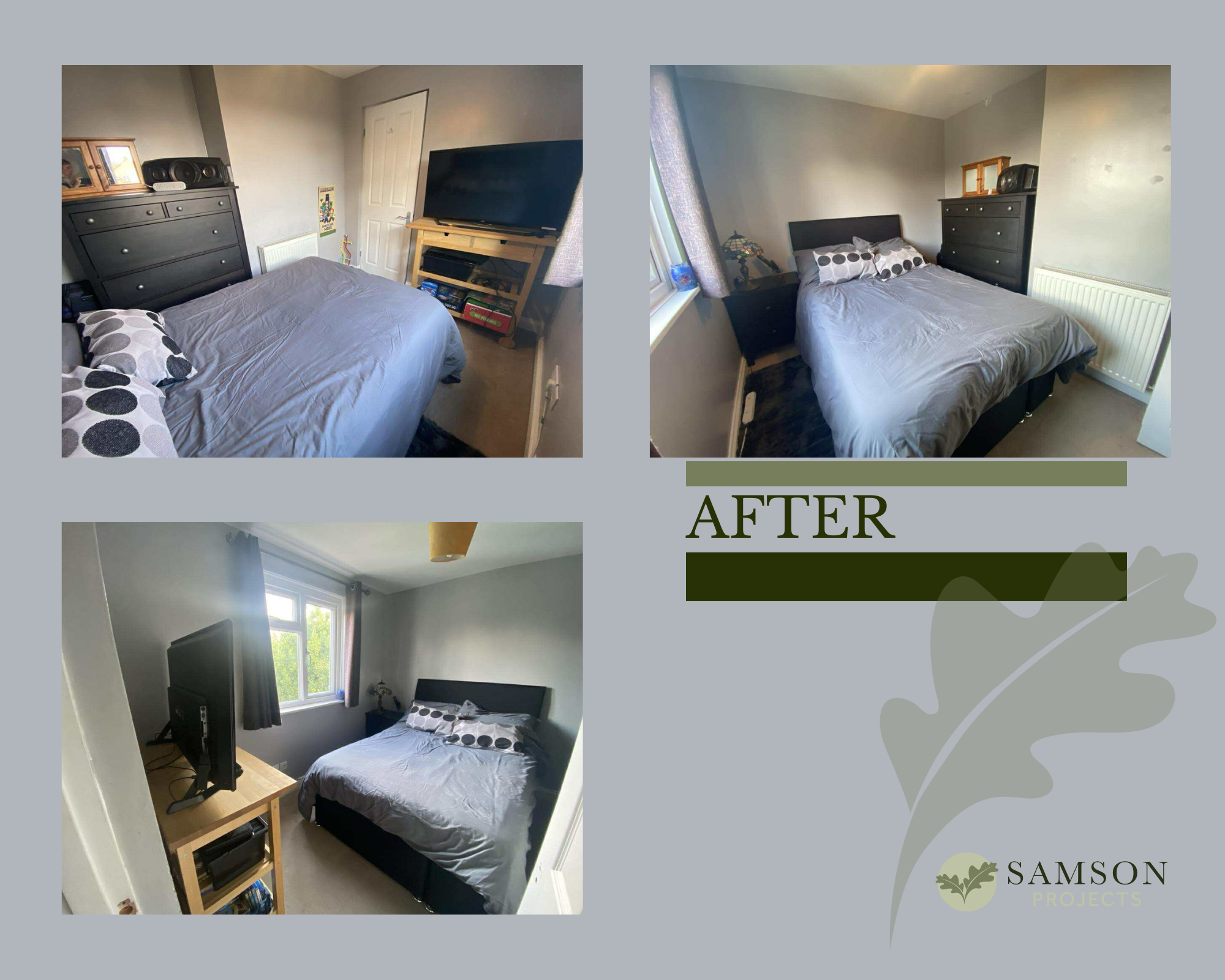
We did some bed and furniture swapping. There will be a few changes going forward, such as replacing the ceiling light and installing some shelves and a mirror.