

How do I design for neurodivergence?
My expertise lies in neurodivergent-centred design, focusing on how the built environment impacts comfort, well-being, and daily functioning. I approach each project by prioritising the individual needs of the residents rather than aesthetics alone.
I understand that neurodivergence affects home experiences uniquely, requiring tailored design solutions for different sensory preferences and lifestyles. I collaborate closely with clients to consider factors like sensory processing, attention, and the need for rest, assessing how elements such as lighting and layout influence their daily lives.
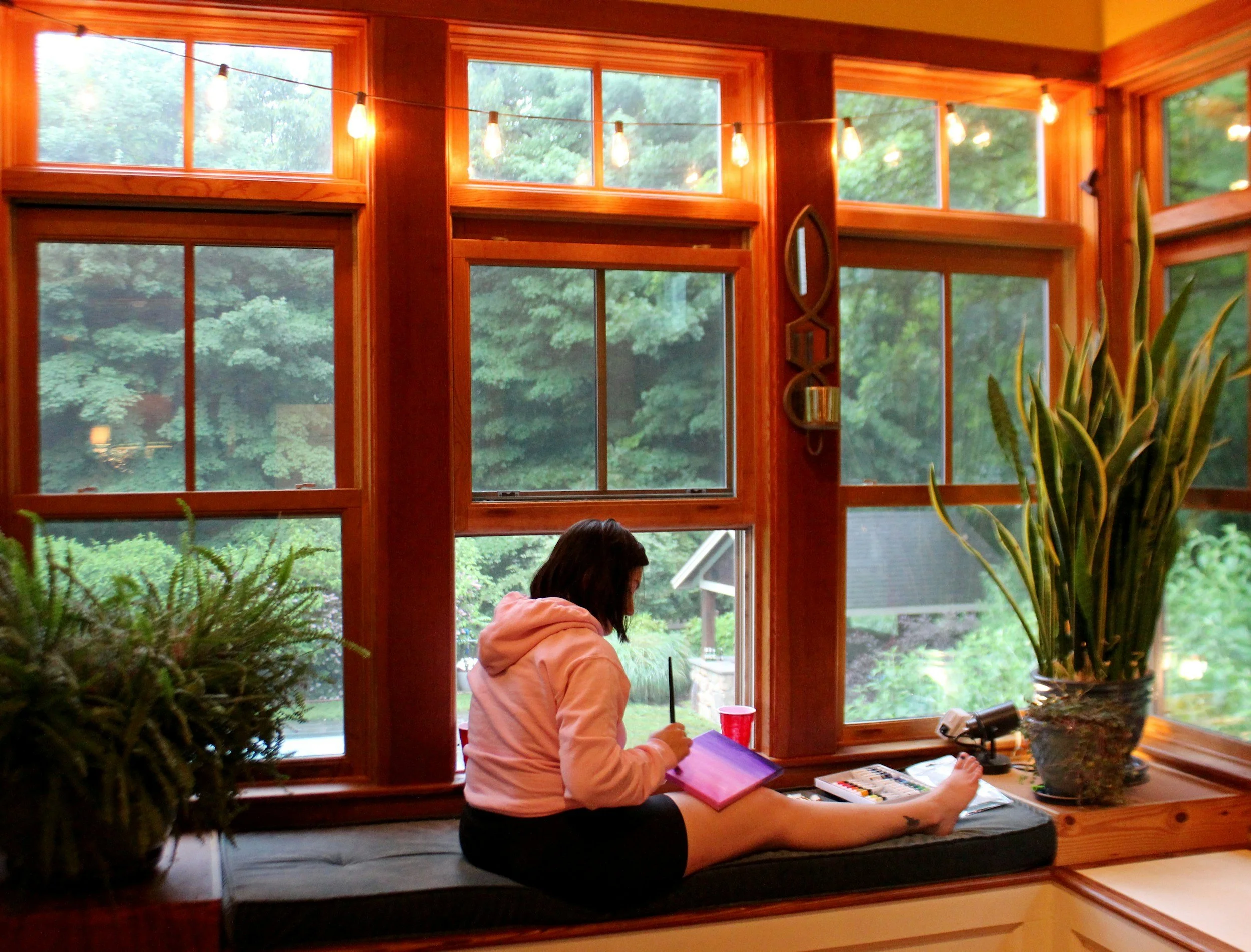
Finding the right spot in your home can be difficult. So why not create your favourite spot.
Ask yourself some questions about what you need and want, what annoys you, and how you relax or focus, these are the foundations of creating a space that works well for you.
For instance, lighting can be adapted by using adjustable fixtures that allow residents to control the intensity and colour temperature to suit their sensory needs. This flexibility can help create a calming atmosphere for relaxation or a brighter setting to enhance focus and productivity. By integrating smart lighting systems, residents can easily adjust their environment throughout the day, fostering a space that supports their well-being and daily routines.
My design process starts with listening, recognising that many neurodivergent individuals have adapted to unsuitable environments. I acknowledge the spectrum of neurodiversity, creating spaces that offer both regulation and stimulation as needed.
My recommendations are based on evidence from environmental psychology and human-centred design, but I prioritise clients' lived experiences. When clients work with me, they gain a designer committed to creating homes that enhance their well-being and reflect their unique identities. Ultimately, successful neurodivergent design is about creating functional, supportive spaces tailored to the individual.
